
2026-10-27
From Wooden Clogs to Everest: The Extraordinary History of La Sportiva
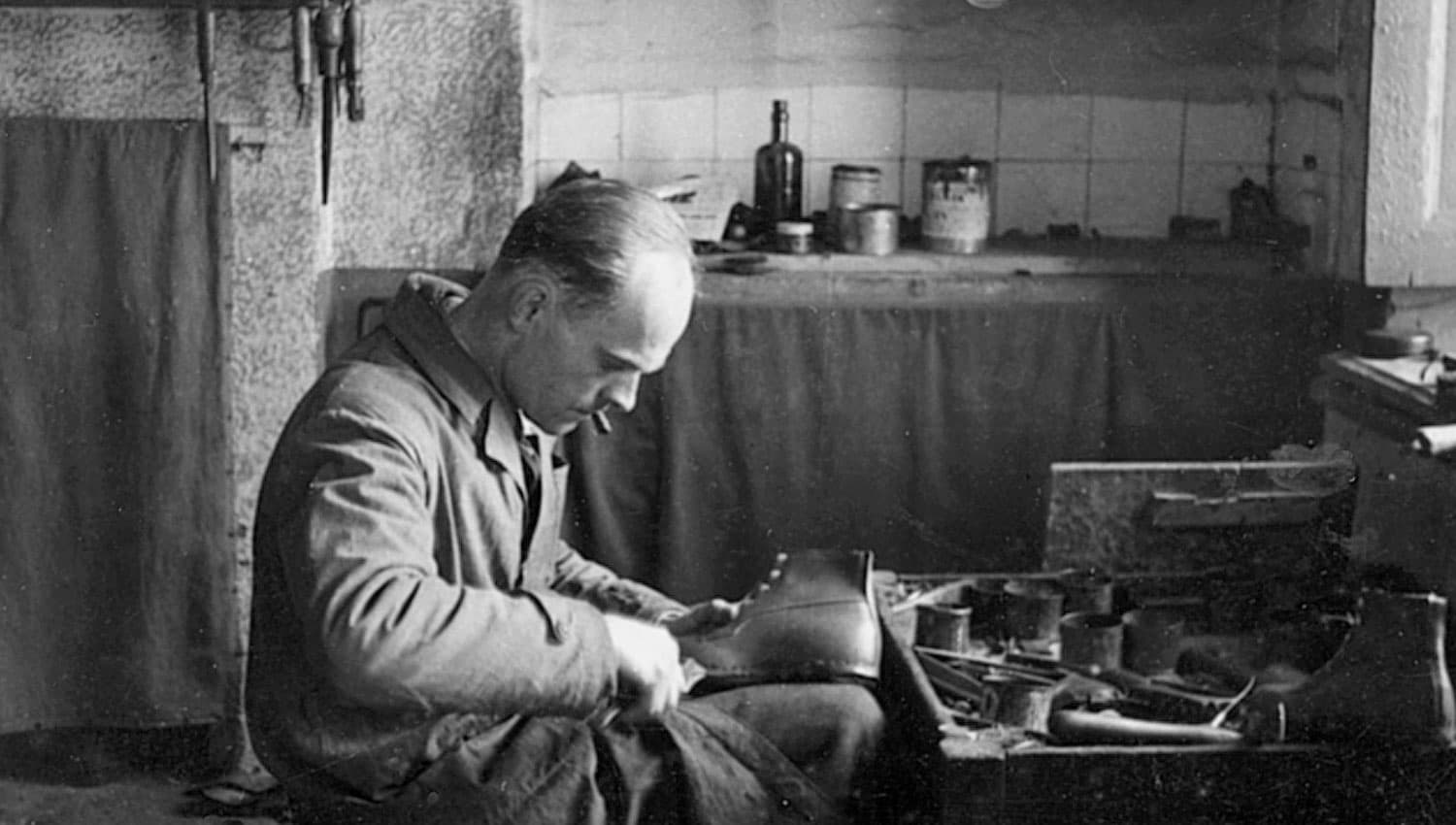
The most technical climbing shoes on Earth did not begin in a high-tech laboratory or a corporate boardroom. They started out as hand-carved wooden clogs for mountain lumberjacks.
Today, when you watch an elite alpinist scale a fragile column of glacial ice or stand on the summit of Mount Everest, there is a high probability their feet are wrapped in the unmistakable yellow and black colors of La Sportiva. Yet for nearly a century, the soul of this global powerhouse has remained anchored in a single Dolomite valley, guided by four generations of a single Italian family.
1928: The Shoemaker of Val di Fiemme
Our story begins in 1928 in Tesero, a small village tucked deep inside the Val di Fiemme in the Italian Dolomites. At the time, life in the Fassa and Fiemme valleys was defined by vertical terrain, dense timber forests, and unforgiving winters. A local craftsman named Narciso Delladio set up a modest workshop with a singular purpose: carving wooden clogs and heavy leather boots that could keep local farmers and lumberjacks alive on steep, icy slopes.
Outside of his tiny valley, almost nobody knew Narciso's name. Yet even in those early years, he possessed the restless mind of an innovator. In 1928, he took his craft to the Milan Trade Fair and patented a specialized lacing system that would eventually be adopted by the most important footwear factories in the country. For Narciso, a partnership between a human being and the mountain started with a secure lace.
Crucible in the Alps: World War II
Just over a decade later, World War II broke out across Europe, turning the jagged peaks of the Alps into a freezing battlefield. Suddenly, the Italian military faced an urgent crisis. Soldiers needed specialized footwear capable of surviving brutal, sub-zero mountain temperatures and relentless rock and ice.
The military turned to Narciso's small workshop to engineer a new breed of alpine boot. By the time peace returned to the mountains, two things had happened. First, soldiers returning from the front brought a newfound passion for mountaineering back into civilian life. Second, word of Narciso's indestructible boots had spread far beyond the borders of Val di Fiemme, reaching the cities of Trento and Bolzano. Hiring new artisans to keep up with surging demand, Narciso officially established Calzoleria Sportiva.
The 1950s to 1970s: A Name for the Mountains
In the 1950s, Narciso's son, Francesco Delladio, stepped into the family business with a bold vision for the future. Sensing that alpine sports were on the verge of a cultural boom, Francesco built a spacious new workshop on the outskirts of Tesero and began designing technical leather ski boots.
Presenting his new collection at the Milan Exhibition, Francesco officially introduced the brand name that would conquer the vertical world: La Sportiva. Throughout the 1950s and 1960s, the company paired audacious winter ski boots with classic summer mountaineering footwear.
However, the 1970s brought a massive industry shock. The arrival of injection-molded plastic ski boots threatened traditional leather shoemakers overnight. For a family company, the financial investment required to retool for heavy plastic molding was simply too high. Rather than compromise its craft, La Sportiva made the disciplined choice to step away from downhill ski boots, doubling down on technical mountaineering footwear and cross-country skiing as Francesco's three sons, Lorenzo, Luciano, and Marco, joined the company.
The 1980s Gamble: Purple, Yellow, and Sticky Granite
If the 1970s tested the family's resilience, the 1980s unleashed their genius. Across Europe and North America, a new generation of rock climbers was abandonar heavy mountaineering boots in favor of gymnastic, free-climbing movement on sheer rock faces. The third generation of the Delladio family saw the future and took a massive gamble.
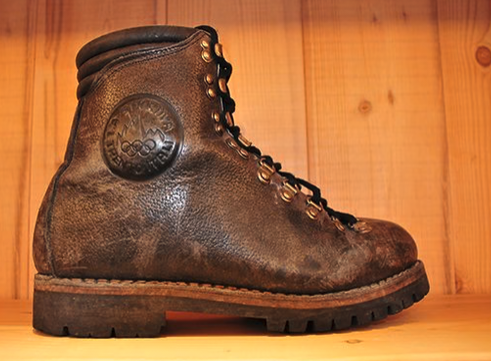
They ditched traditional brown leather entirely. In its place, they engineered an avant-garde climbing shoe defined by bright purple and yellow colors and ultra-sticky rubber designed to cling to microscopic edges on vertical granite walls. The gamble paid off immediately. Shoes like the legendary Mirage changed the physics of rock climbing, allowing athletes to use their feet for both sensitivity and raw grip.
"What began as wooden clogs to keep lumberjacks upright on icy grass had evolved into avant-garde instruments for scaling the hardest rock and highest peaks on Earth."
Fierce Independence in Ziano di Fiemme
As global demand exploded in the 1990s, the Tesero workshop could no longer contain the company's momentum. In 1996, La Sportiva moved into a state-of-the-art headquarters in Ziano di Fiemme, right at the foot of the Dolomites, where the majority of its technical footwear is still crafted today.
Perhaps the most telling moment in La Sportiva's modern history happened at the turn of the millennium. In 1998, the Delladio family signed a strategic agreement selling a minority stake and North American distribution rights to the American giant The North Face. Yet within two years, corporate management turnover in the United States clashed with the Delladio family's long-term vision and commitment to R&D excellence. In a rare and courageous move in 2000, the Delladio family cancelled the agreement and bought back all of their shares, cementing their status as a fiercely independent, family-owned company.
From Adam Ondra to the Summit of Everest
In the 21st century, joined by fourth-generation leader Giulia Delladio, La Sportiva expanded into a complete head-to-toe mountain outfitter across Mountain Running, carbon-and-titanium ski mountaineering, and technical alpine apparel. Yet footwear remains the beating heart of their laboratory in Ziano di Fiemme.
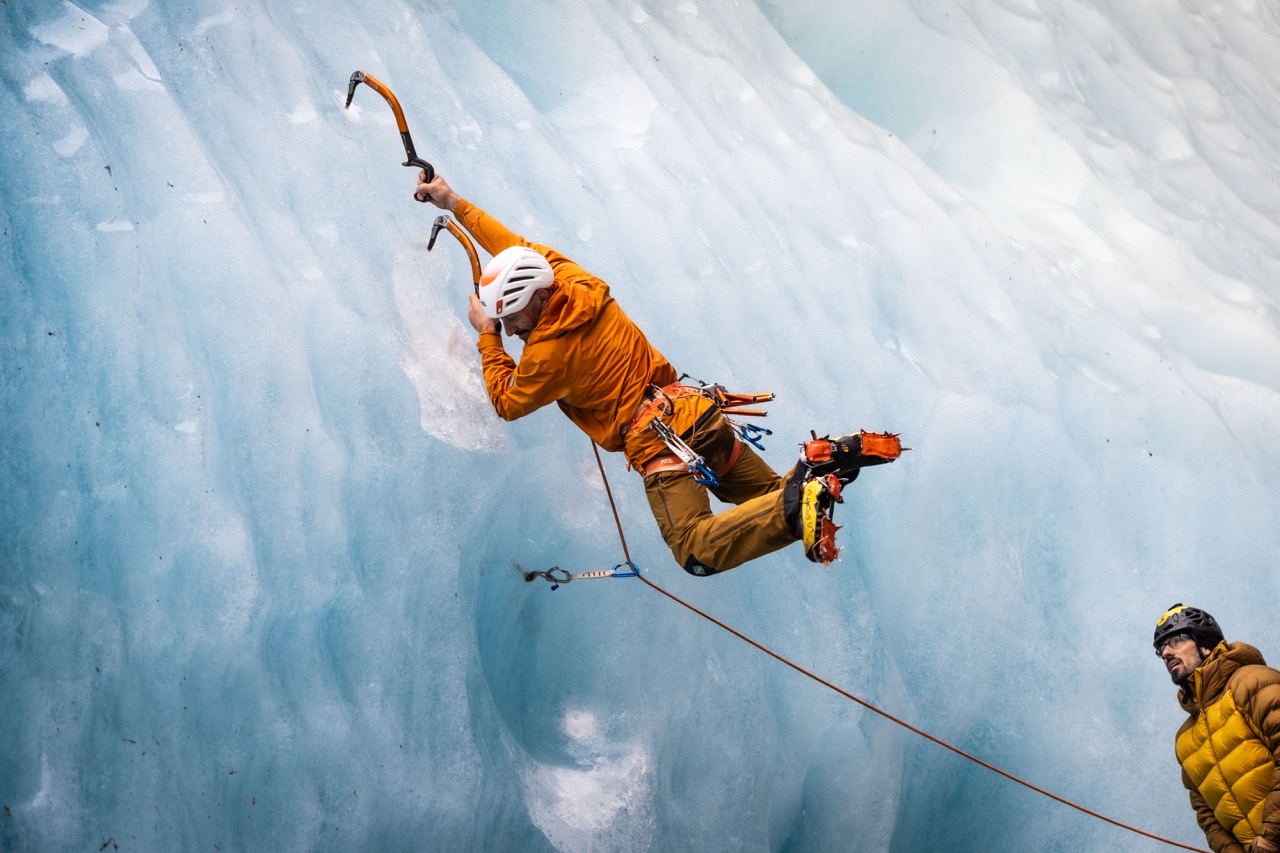
Today, that obsession with craft shows up in proprietary innovations like FriXion rubber compounds, which balance five distinct formulas of grip, rigidity, and durability depending on the terrain. It shows up in patented SenseGrip technology, engineered alongside legendary climber Adam Ondra for the Ondra Comp shoe to allow the human foot to expand and maximize surface contact on the wall. And it shows up in their iconic high-altitude boots that protect mountaineers on the 8,000-meter ridges of the Himalayas.
Watch the Legacy in Action on ELEVI
Nearly a century after Narciso Delladio shaped his first wooden sole, La Sportiva continues to power the most ambitious human stories in the vertical world, including award-winning documentaries like Studio 3 Cime's Ephemeral.
Enjoyed this story?
Give this article a like or leave a comment below.
Comments & Discussion (0)
No comments yet. Be the first to start the discussion!
Read Next

2026-10-13
Where to Watch Dick's-A-Thon: Seattle's Ultimate Burger and Running Challenge
Forget pristine energy gels and corporate marathons. Discover the hilarious, grueling documentary about the grassroots endurance challenge linking Seattle's most iconic drive-in burger joints.
2026-09-28
Where to Watch Chimères Patagones: Chasing Ghosts on Cerro Torre
In the wind-battered heart of Patagonia, three female alpinists take on the controversial history and sheer vertical ice of Cerro Torre. Discover where to stream the breathtaking documentary.